2 hours ago
Latest Updates
Featured Posts
Get in Touch
Location:
123 Innovation Street
Tech District, CA 94105
123 Innovation Street
Tech District, CA 94105
Email:
hello@brand.com
hello@brand.com
Phone:
+1 (234) 567-890
+1 (234) 567-890
Flavorful Kebabs, Biryani and Much More: Indian City Earns a Spot on Unesco Gastronomy List.
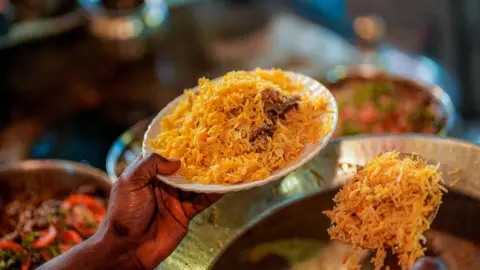
Delectable kebabs, scented biryani, and fluffy, ethereal desserts.
The historic city in northern India of Lucknow has long been a haven for gastronomes, with inhabitants and tourists equally praising its exquisite cuisine.
An International Accolade
Last month, Unesco recognised it as a Creative City of Gastronomy – placing it on a prestigious group of global cities and igniting hopes that it will highlight Lucknow's exceptional food. With this designation, it becomes part of a global network of more than four hundred cities across over 100 countries focused on promoting "innovation as a key factor of sustainable urban development".
The accolade "is a testament to its centuries-old food heritage and dynamic food ecosystem," according to a spokesperson from UNESCO's Regional Office for South Asia.
Lucknow is only the second Indian city – after Hyderabad, which was selected in 2019 – to secure a position in this highly sought-after list of seventy urban centers around the world.
A Metropolis Shaped by Cuisine
The accolade for this time-honored city comes as no surprise to its inhabitants or passionate food lovers. Many agree with the view that it is "an honor long overdue".
With the UNESCO accolade, this cherished, bustling, and vibrant city – the capital of India's most populous state – is at last in the spotlight for what has perennially defined its essence: an profound passion for food.
"'The day's menu, how will it be cooked' is a ongoing conversation from waking up until going to bed in many homes," notes a local cultural expert. "And you are truly judged by the standard of food that is produced in your kitchen."
A Heritage of Nawabi Cuisine
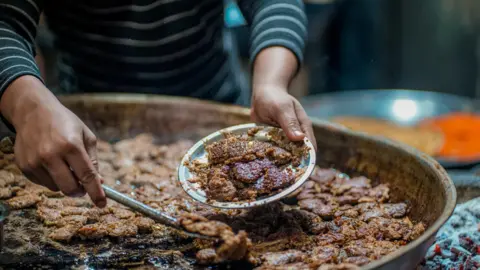
The City of Nawabs – as it's popularly called after its 18th and 19th-century affluent Muslim rulers – is famed for its tender kebabs and a distinctive take on biryani that were created, evolved, and taken to sublime levels in their opulent kitchens.
These imperial kitchens were hubs of food experimentation, merging Iranian and indigenous Indian styles to create what became known as the food of Awadh.
It was in this era that Lucknow's most famous kebabs were developed. As the tale is told that the galouti kebab was created to cater to an elderly nawab who had no longer had his teeth. His cooks ground the meat with papaya, kesar, and spices and made it so fine that it required no chewing.
But arguably the most significant contribution of the chefs of Awadh was the slow-cooking Dum pukht technique, where food is prepared on a low, leisurely heat, with the pot's lid tightly closed with dough.
Beyond Kebabs and Biryani
In addition to the well-known kebabs and biryani, the cooks also created a collection of dishes that included kormas (rich curries), sheermal (saffron-infused flatbread), and shahi tukda (a decadent bread pudding).
However, Lucknow is not just about kebabs and biryani – the region is additionally a haven for vegetarians.
The local Baniya community's cuisine not only highlights fresh harvests but also offers the city its exquisitely crafted Indian desserts, sweets, and unique street food, like chaat – tangy fried snacks.
Hidden Gems and Legacy Eateries
Virtually on many street corners, there are small establishments and kiosks – lesser-known gems that are extremely popular with the locals.
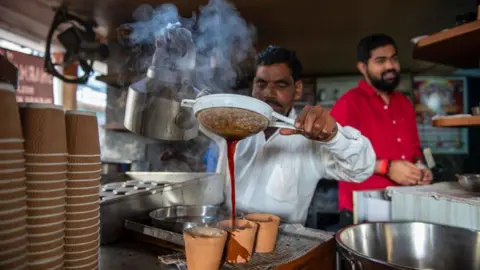
In the heart of the city of Hazratganj, large gatherings start assembling from 5 am at a legendary tea stall to get a piping hot cup of milky masala chai, served in clay glasses, along with pillowy soft buns slathered with freshly churned white butter.
In the morning, one can visit a no-frills joint operating in the historic quarter of Aminabad. Nearly 150 years after it was set up, the place is still highly popular for its hot kachoris (fried bread stuffed with lentils) and jalebis (crispy, syrup-soaked sweets).
Ensuring Legacy Continues
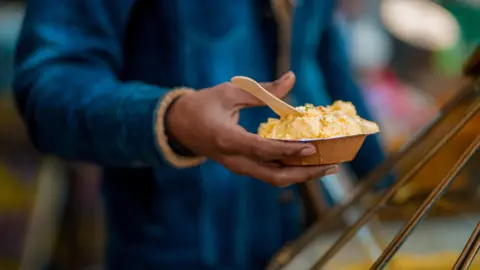
The city also boasts special seasonal delights, such as makkhan malai, a airy dessert found in the winter. The method of making it is intricate and involved. The vendor whisks the milk and then exposes it at night, allowing the nighttime moisture to give it its unique frothy texture.
On cold mornings, street vendors can be seen in old city areas like Aminabad and Chowk. Many however say that their younger generation are unwilling to learn the skill.
A celebrity chef from Lucknow has frequently stated that the city's profound food legacy places it right on top of the Indian street food experience. The real value from the UNESCO recognition, however, will occur only if Lucknow can now build recognition about its hidden eateries.
Every dish in Lucknow comes with a history – influenced by family-run food businesses, from modest street carts to lively restaurants, and guarded family recipes.
The international acclaim, it is hoped, will encourage more people globally to discover these stories and visit the city to delight in the food wonders of Lucknow.

Elizabeth Hall
Elara Vance is a gaming enthusiast and analyst with over a decade of experience in online casinos, specializing in slot machine mechanics and player strategies.
 News
Sponsored News
News
Colombia's President Says 'I Will Take Up Arms Once More' if United States Intervenes Militarily.
By Elizabeth Hall
•
03 Oct 2026
News
Top Television Choices: Seven Can't-Miss Motion Pictures In the Days Ahead
By Elizabeth Hall
•
03 Oct 2026
News
Underwhelming Buatsi Beats Zach Parker in Manchester Bout
By Elizabeth Hall
•
03 Oct 2026
News
'It’s a family atmosphere here': Habib Diarra delights in good times at Sunderland.
By Elizabeth Hall
•
03 Oct 2026
News
Scammers' Counterfeit Goods 'Could Cause Serious Damage'
By Elizabeth Hall
•
02 Oct 2026
News
Paris Saint-Germain Overcomes Marseille on Penalties to Claim Trophee des Champions Super Cup in the Middle East.
By Elizabeth Hall
•
02 Oct 2026